Local market
Dartmouth isn’t Halifax.
The market moves differently.
Twenty-eight years of watching this market means something different than knowing the postal codes. It means knowing which blocks appreciate, which lenders understand Atlantic Canada, and when a deal needs local context to get done.
The bridge dynamic
The bridge matters more than people outside this market understand.
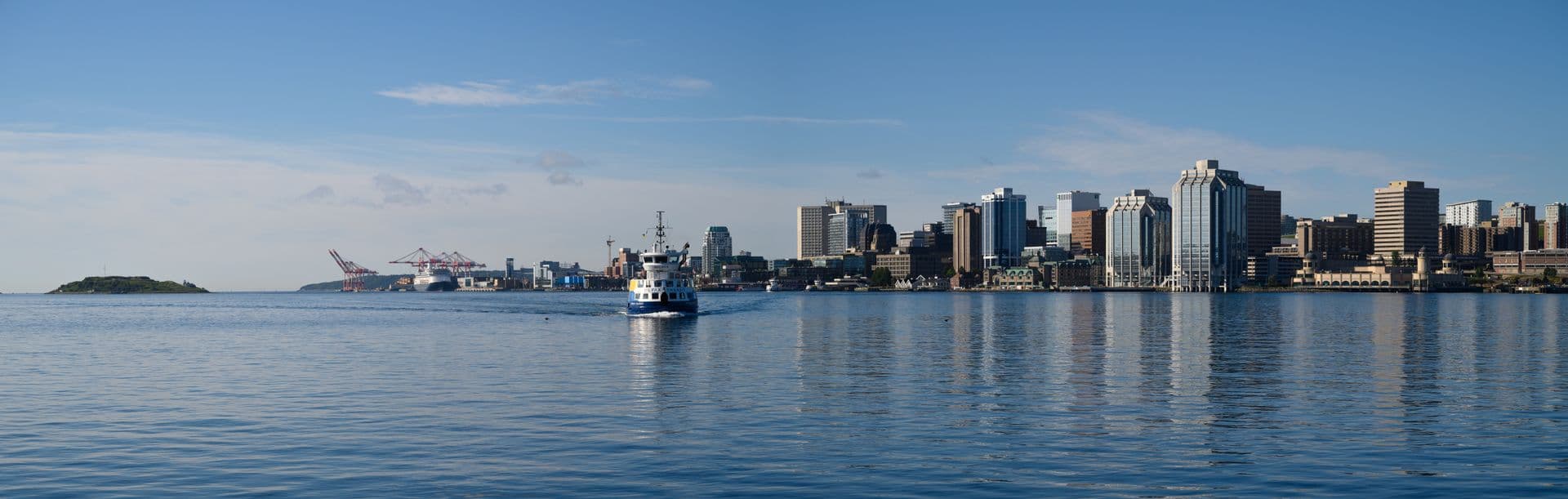
Halifax and Dartmouth are separated by a 12-minute ferry ride or a bridge crossing. That gap does real things to the market. Buyers who work in Halifax and live in Dartmouth get a price advantage. Comparable square footage costs less on the Dartmouth side. That math has been closing, but the gap still exists.
What it also means: lenders who don’t know this market apply Halifax-side assumptions to Dartmouth files. Appraisals can come in differently. Qualifying can get complicated when the lender’s comparables are drawn from the wrong side of the water. We’ve navigated this more times than we can count.
Knowing which lenders understand the Dartmouth market, and which ones don’t, is not a minor detail. It affects whether your file closes.
The neighbourhoods
North End / Downtown Dartmouth
The most active part of the Dartmouth market right now. Older stock, smaller lots, close to the ferry and the waterfront. Entry-level buyers compete hard here. Properties move fast and often above ask.
South End & Woodlawn
Established neighbourhoods with larger homes and more stable turnover. Families, move-up buyers, and clients who want space without going out to the suburbs. Good value relative to comparable Halifax addresses.
Cole Harbour & Eastern Passage
Suburban and coastal. Lower price points, longer commutes, strong family communities. Buyers here tend to be first-timers or people moving out of more expensive markets. The ocean access at Eastern Passage is genuinely underpriced.
Woodside & Burnside
Industrial corridor and the surrounding residential pockets. Mixed-use and investment opportunities. Less buyer competition, but lender assessment of the area requires local knowledge.
Lake Loon / Lakecrest
Waterfront and near-waterfront properties on the Dartmouth lakes system. These files need careful handling. Lenders vary considerably on how they value lake-access properties in Atlantic Canada.
Dartmouth Crossing Area
Newer builds, townhomes, higher density. Popular with buyers who want low-maintenance and transit access. New construction files have their own quirks: builder timelines, deposit structures, and financing conditions differ from resale.
Atlantic Canada reality
The Canadian banking infrastructure was not designed around Atlantic Canada. The major banks make policy decisions at the national level. Those policies are calibrated for Toronto, Vancouver, and Calgary: markets that operate at a different scale, with different price points, different buyer profiles, and different risk dynamics.
What that means for you: a blanket national policy can produce a result that doesn’t reflect what’s actually true about your file, your property, or your market. A lender flagging your Dartmouth purchase because a policy designed for a condo tower in the Yonge corridor doesn’t translate properly is a solvable problem, if you’re working with someone who knows how to handle it.
We know which lenders have Atlantic Canada-specific experience, which ones have underwriters who actually understand this market, and how to frame a file so it gets read correctly. That’s not something you get from a national call centre.
0
years in the HRM market
0
rate cycles watched from Dartmouth
0
bridge. It matters.
If your file involves a Dartmouth or HRM property, you want someone who’s been watching this market since before most of the listings were built.
Let’s talk